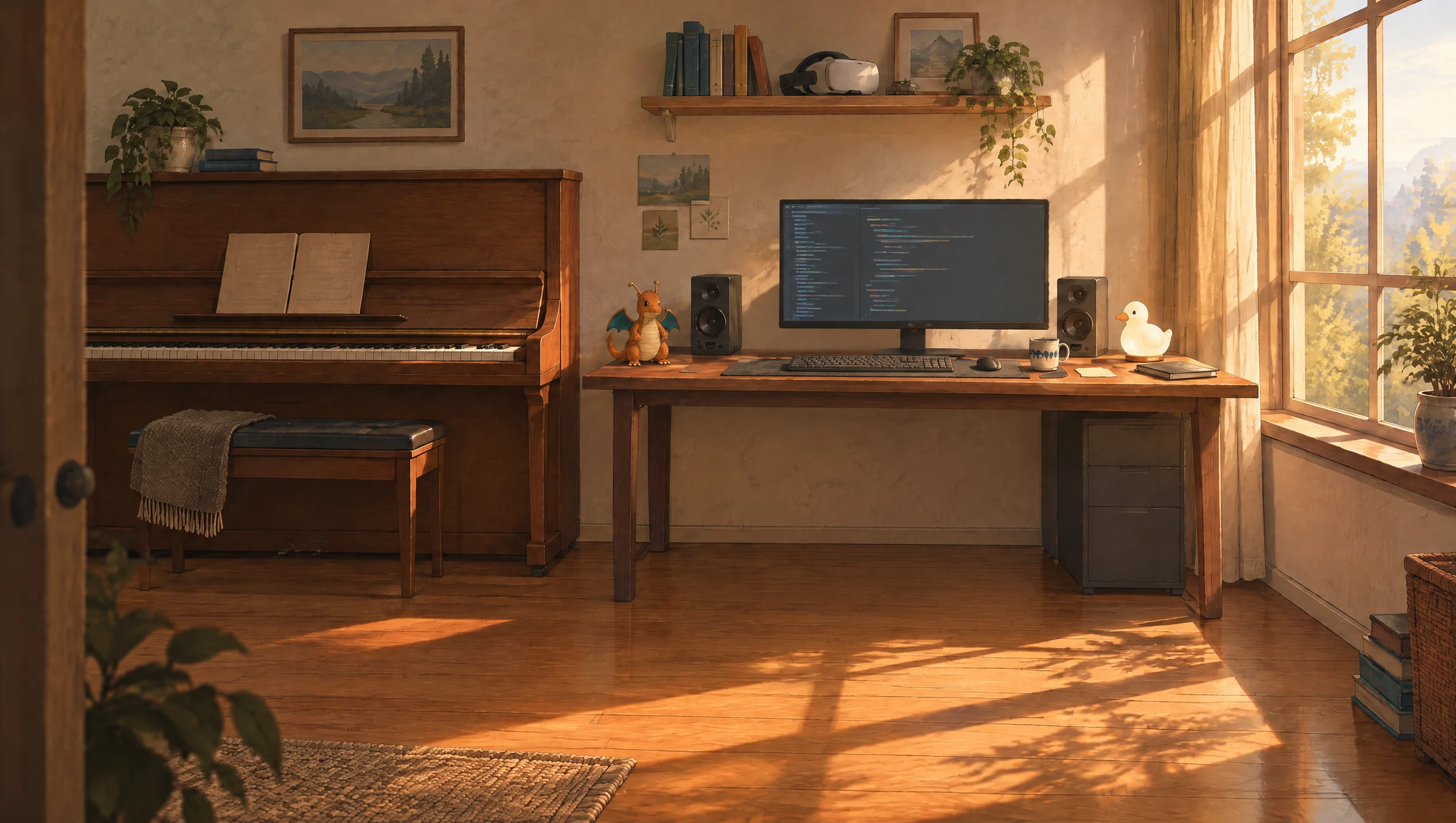
Scroll to step insideMouse wheel, trackpad or ↓ key · or pick an object in the roomSwipe up · or tap an object in the room
studioFileEditViewGoWindow⎇ master··:··01 — 05↙ The room
~/studio/about.md
At the desk
From games to medical software.
I build VR therapy software with a game designer's habits.
I'm Director of Product Development & Engineering at CUREOsity GmbH, leading the team that ships VR therapy software on Meta Quest, HTC Vive, and PICO: nine direct reports across development, IT and data, in a team of 14.
I started as a Technical Designer building gamified rehabilitation tools. Today I translate between therapists, engineers and management, and keep releases moving in a domain where every change goes through a quality system.
luc@studio portfolio % git log --oneline -4
9e0f1c8 fix(studio): show the three CUREO gallery images in one row at matching height (#10)6d3a6e0 feat(studio): replace Physics Racing with Drivinity and show featured photos in Through the lens (#9)65e7b15 fix(parkind): say "parking space" instead of "bay" on the Parkind pages and privacy policy (#8)8e94399 feat(studio): reframe the CUREO case around my role, with studies, modules and framed screen captures (#7)luc@studio portfolio % git branch --show-current
master
luc@studio portfolio %luc@studio portfolio %▍
From building the experience to leading the people behind it.
2019202020222026Now
Intern Technical Designer
Motek Medical B.V.
Designed and pitched a gamified walking rehabilitation app for the MOTEK Ryzen robot. Built the prototype in Unity with HTC Vive and an overhead projector: scrappy, but it worked.
Intern Technical Designer
CUREOsity GmbH
Built therapy apps and audited how the team actually worked. Redesigned the concepting pipeline and cleaned up the Jira setup (first taste of process improvement).
Technical Designer
CUREOsity GmbH
Turned medical requirements into specs engineers could build. Worked directly with therapists to prototype therapy apps, wrote the specs, and started fixing the production processes that were slowing everyone down.
Head of Software
CUREOsity GmbH
Ran the team shipping VR therapy software, which grew from 5 to 8 developers. Owned the roadmap and set up the team's kanban workflow in Jira, and spent a lot of time translating between therapists who wanted features and engineers who wanted clean architecture. CUREO went from fewer than 5 apps to 25+, over five major releases. It now has 150+ customers with over 600 headsets worldwide.
Director of Product Development & Engineering
CUREOsity GmbH
I lead product development and engineering for CUREO, VR therapy software with 150+ customers and over 600 headsets worldwide: the roadmap, the releases, and the medical-device paperwork that goes with them. Nine direct reports across development, IT and data, in a team of 14. I also manage the company's Claude rollout: almost 25 seats across almost all departments, with data-protection and AI-policy governance under way.
Designed and pitched a gamified walking rehabilitation app for the MOTEK Ryzen robot. Built the prototype in Unity with HTC Vive and an overhead projector: scrappy, but it worked.
Side project: an iOS and Android app that finds verified disabled parking spaces near where you are going, from council open data in cities across Europe, and keeps working with no signal.
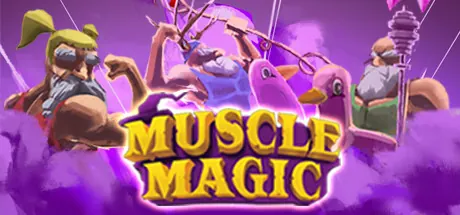
Local party game where muscular wizards fight to be the last wizard standing. I was on the design team and did the audio design.
Unreal Engine 4 / Nintendo Switch / Steam
03
Racing game · Windows, built for PlayStation 4
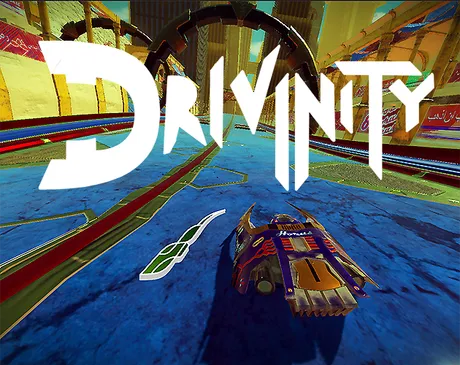
Anti-gravity racing game where two Egyptian gods race through a futuristic Egyptian city. Made by a student team of 21 at Breda University of Applied Sciences. I was Lead Design and General Design.
Lux Engine (custom) / Unity / Houdini / Windows, built for PlayStation 4
04
Photographs
A photography site that works like the cork board above the desk: albums pinned up as polaroids, the featured ones also hanging in this room. Built to make publishing a trip's photos a ten-minute job.
CUREOsity GmbH / Head of Software → Director · 2022 - Present
CUREO: VR Therapy Platform
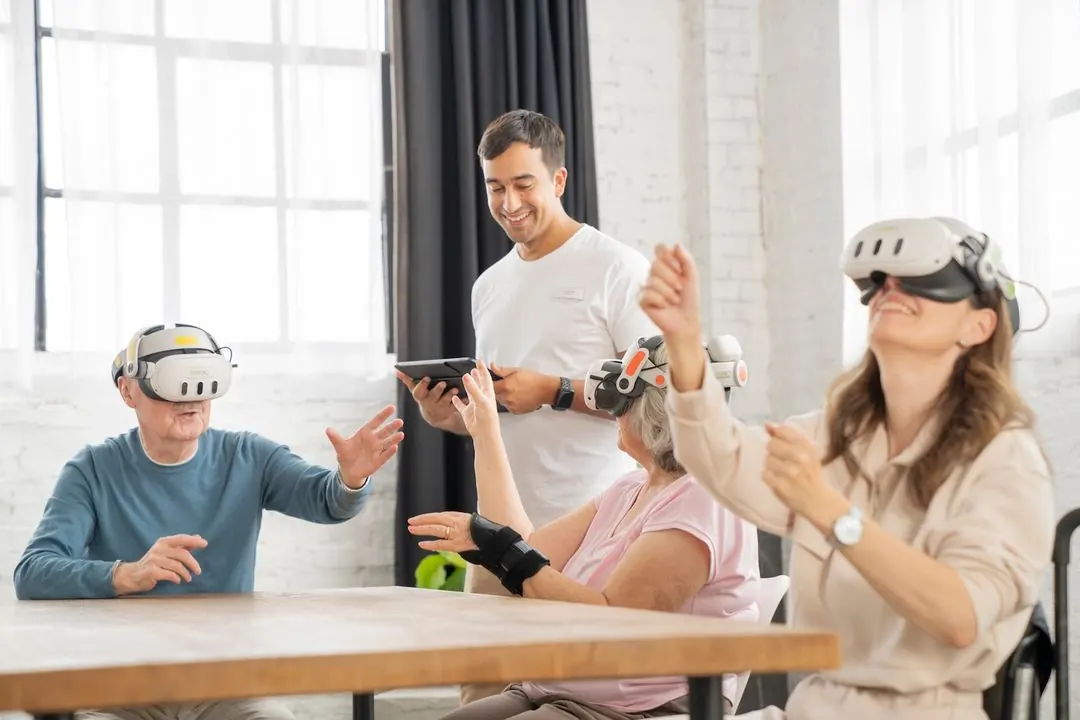
CUREO is VR therapy software for ergo- and physiotherapy. Patients do their exercises in a headset while the therapist steers the session from a tablet. When I took over the software team it was used in a handful of clinics. Today it has 150+ customers with over 600 VR headsets worldwide, and 25+ gamified therapy applications.
150+Customers
600+VR headsets
25+Therapy apps
Parallel therapy: one therapist with the tablet, several patients, each on their own exercise.Image: cureosity.com
The challenge
When I took over the software team, CUREO was used in a handful of clinics. The software had to meet medical-device rules, but there was little structure around how the team worked. Priorities were unclear and a lot of knowledge lived only in people's heads. As more customers came on board, deadlines started slipping and nobody outside the team could see why.
The approach
My first job was structure. I sat down with the team and mapped where work got stuck, then set up Jira workflows around those points. The team works from a kanban board. We started writing down what people knew, and I set up a development cycle that conforms to ISO 13485, so the medical-device documentation is part of the normal work. I pitched it to the team as more autonomy for them, which is what got them on board. I also brought my game-design experience to the team, and we made the therapy apps more of a game. Most of my work is translating what users want into work for the team: what customers ask for, what internal management needs, and what our own therapy and medical department wants.
The trade-off
At one point I chose technical debt and stability over new updates. We moved CUREO from Unreal Engine 4 to 5.5, and from supporting only Meta headsets to OpenXR. That meant fewer new updates while the work was going on. In the end the product is scalable, no longer tied to one headset maker, and much more stable.
The studies
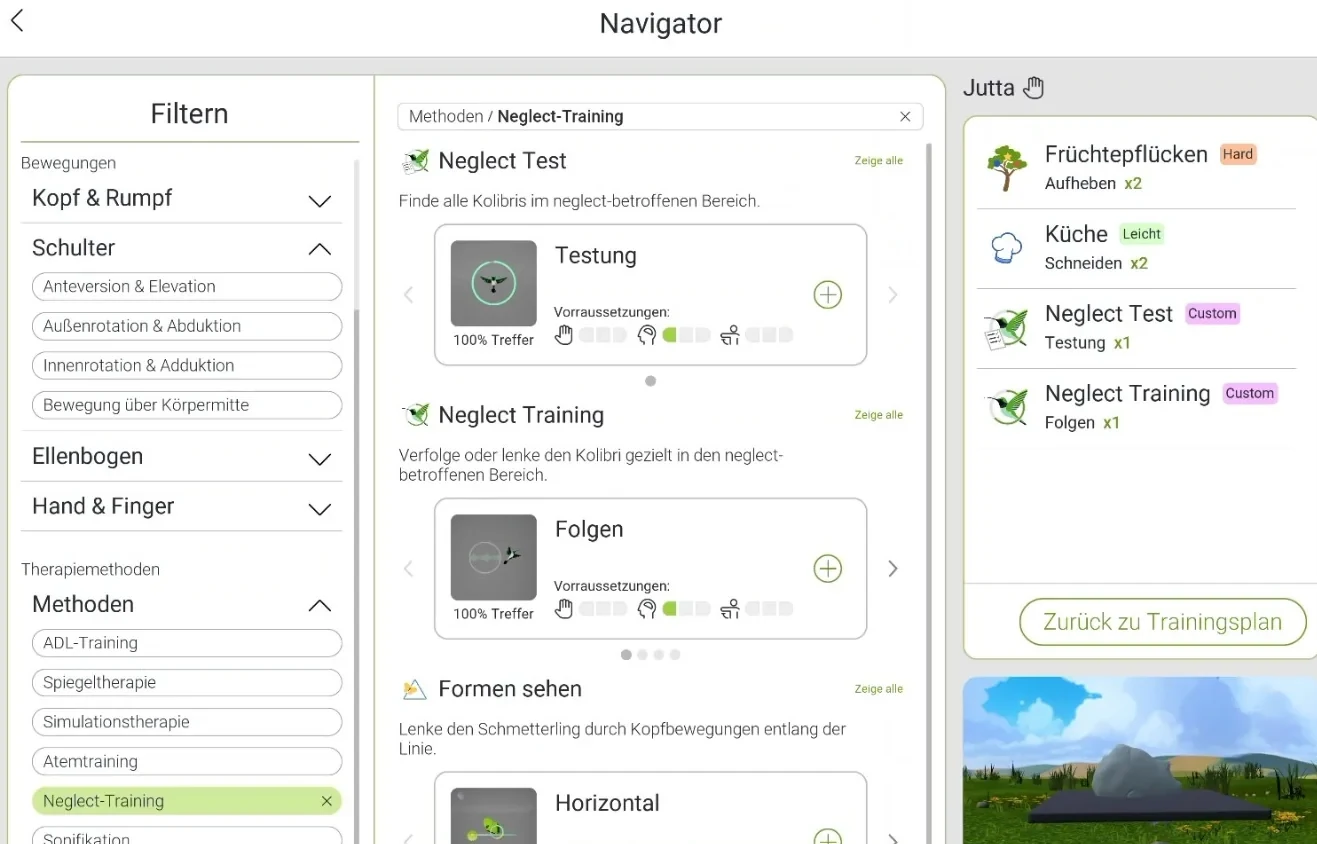
I helped run studies with apps we built for them. For patients with Neglect, we built apps that replace standardized pen-and-paper tests with a VR version. For people with Parkinson's, we built several range-of-motion apps, such as Meteor and Taiko, as a replacement for BIG therapy. Another study set out to test whether embodied VR helps reduce chronic pain.
What changed
We shipped five major releases, CUREO 1 to CUREO 5, and people outside the team could follow progress in Jira instead of interrupting engineers. While I was Head of Software the team grew from 5 to 8 developers, designers and QA. Today I have 9 direct reports across development, IT and data, in a team of 14. CUREO runs on Meta Quest, HTC Vive, and PICO; across CUREO and earlier projects I have shipped on Nintendo Switch, Windows, Android and VR headsets, and built for PlayStation 4.
The modules
The apps are grouped into 7 modules, each with its own therapeutic goal.
Active
Attention and perception
Moto
Sensorimotor skills and coordination
ADL
Planning and executive functions
Relax
Relaxation and breathing exercises
Hand
Hand function and fine motor skills
Activities
Stimulating activities
Cogni
Concentration and memory
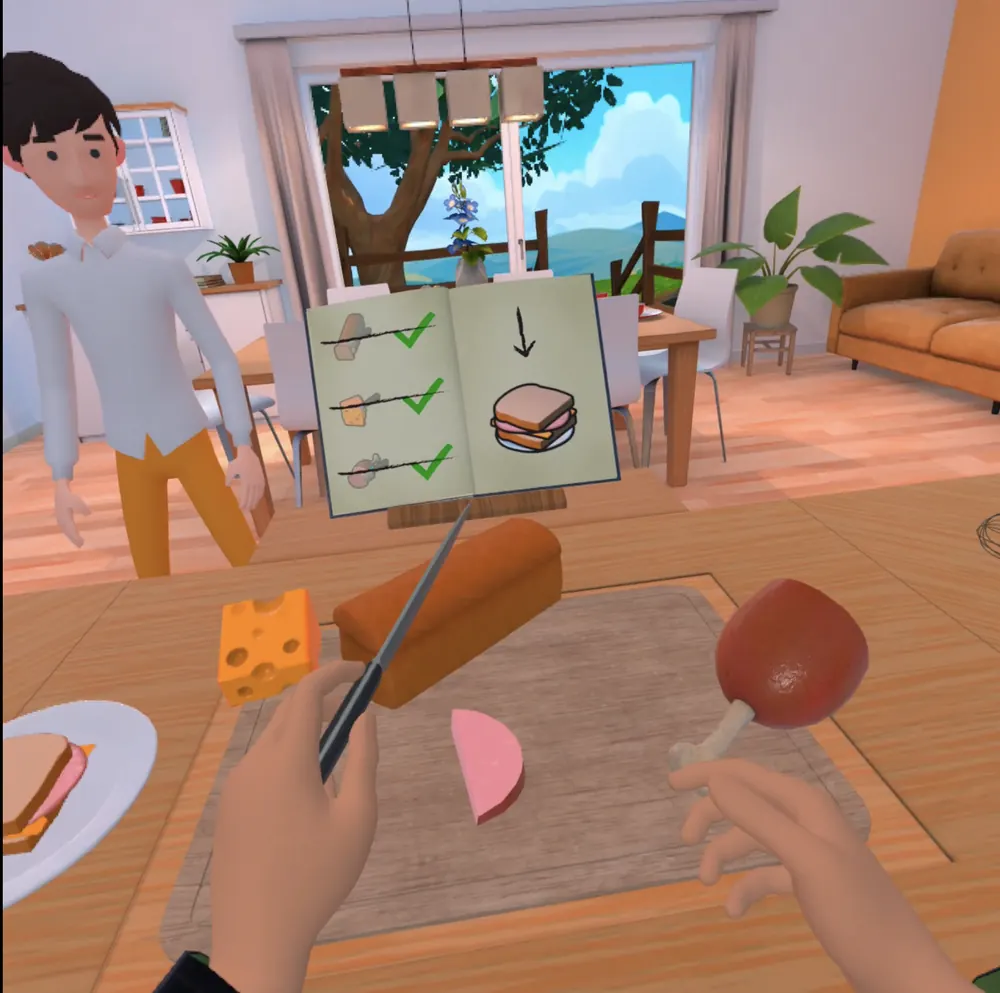
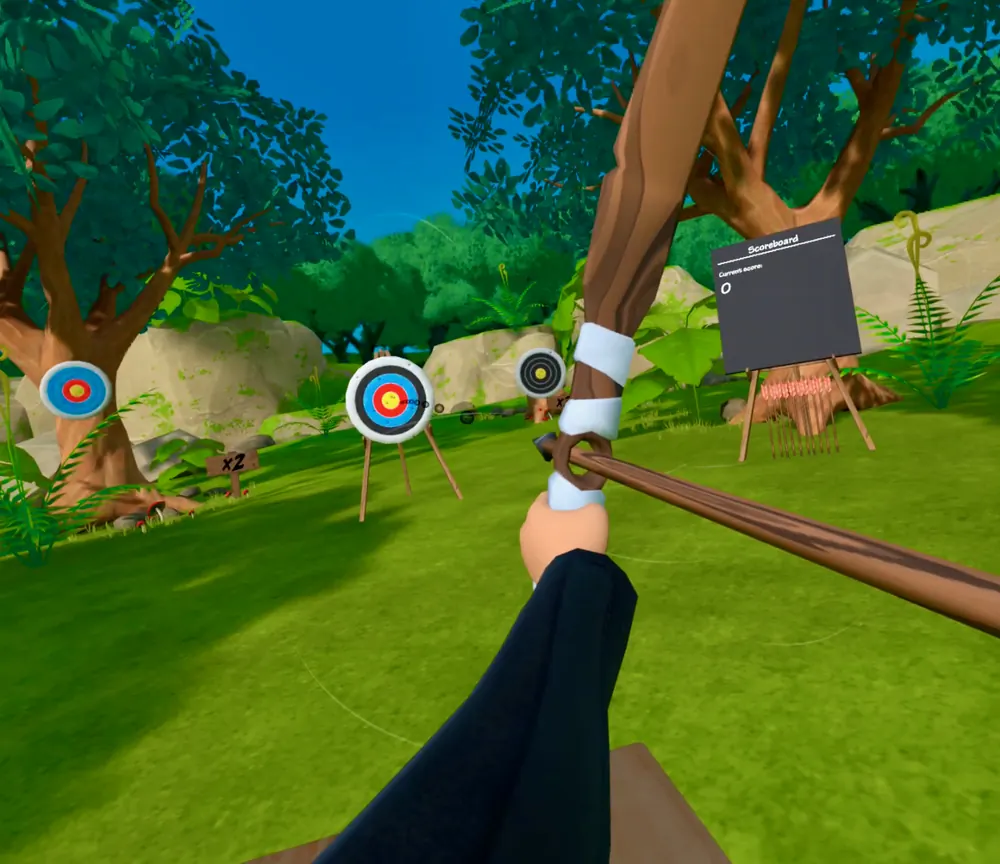
The Navigator on the therapist's tablet, where a session is put together from the app library.Image: cureosity.comIn the headset: an everyday task, making a sandwich in a virtual kitchen.Image: cureosity.comIn the headset: archery, one of the therapy games.Image: cureosity.com
What I put in place
Jira workflows around the points where work got stuck, on a kanban board
An ISO 13485-conform development cycle, with its documentation
Five major releases, CUREO 1 to CUREO 5
The move from Unreal Engine 4 to 5.5, and from Meta-only to OpenXR
The apps for the Neglect and Parkinson's studies
CUREOsity GmbH / Head of Software · 2023 - Present
CUREO HUB
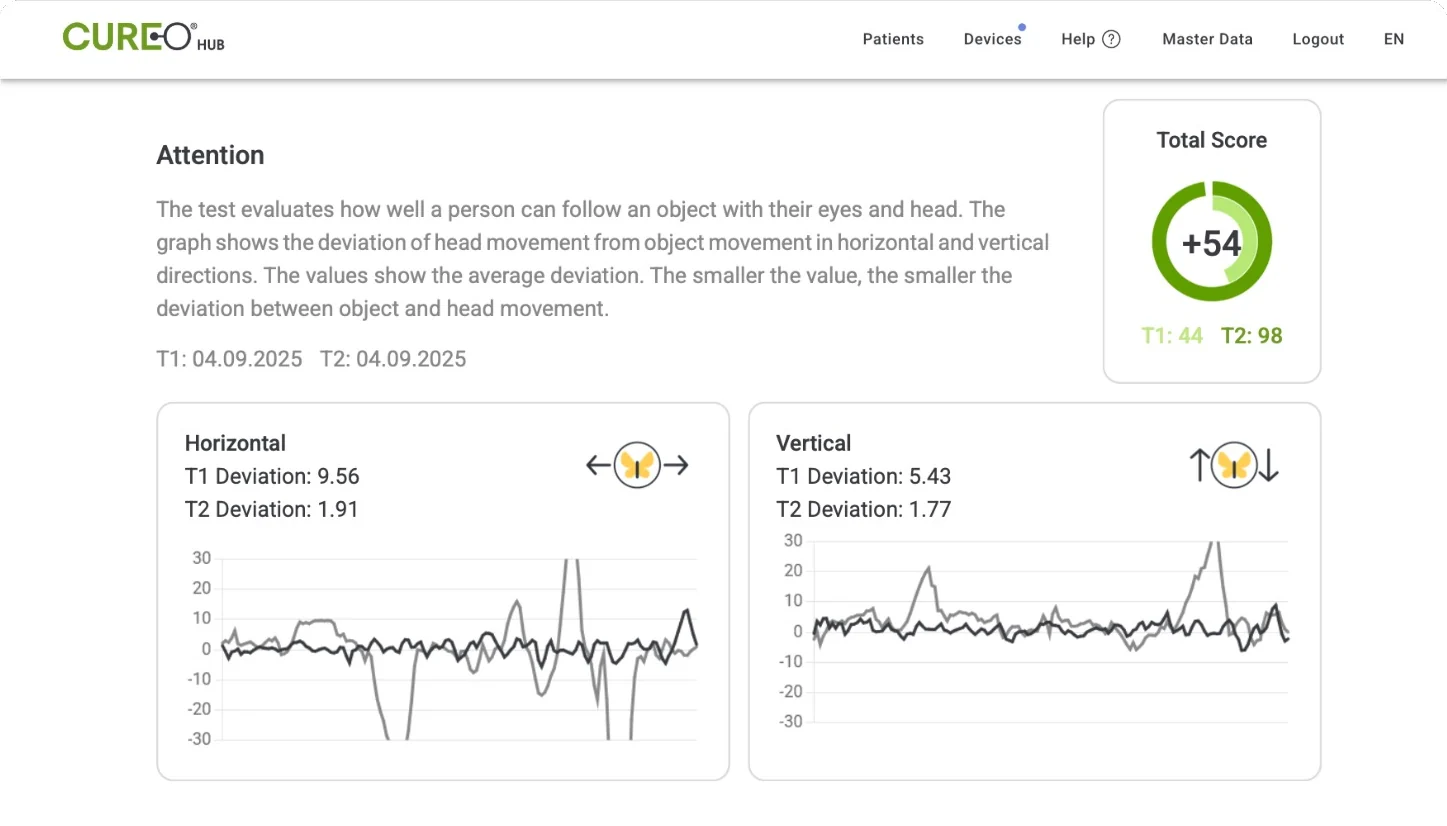
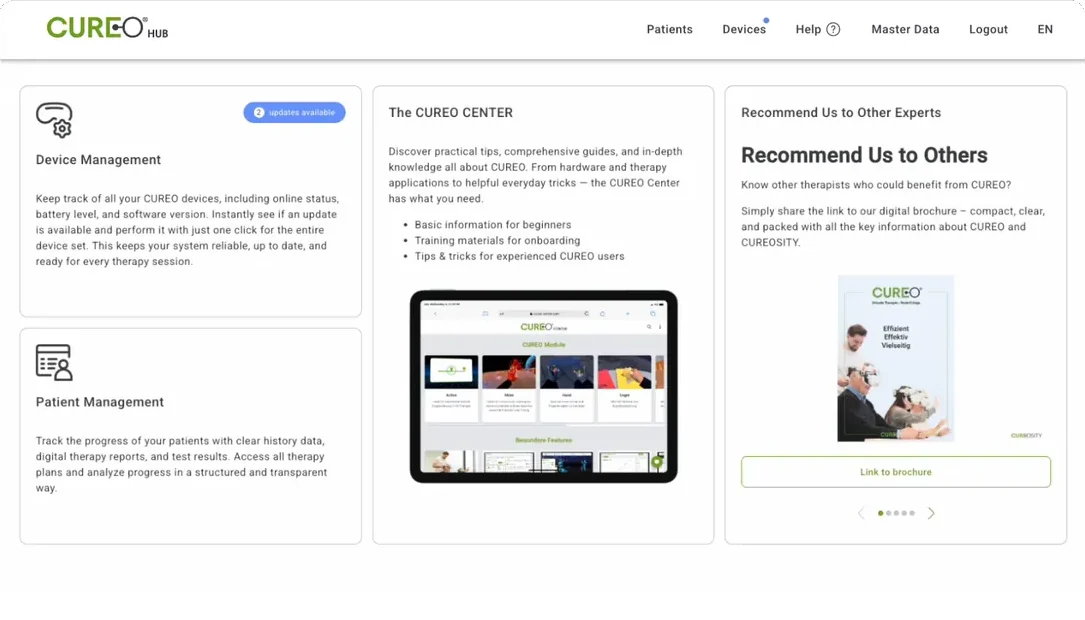
CUREO HUB is CUREO's online platform. Clinics use it to create patient profiles, build therapy reports and review treatment data. I helped design it, managed its build, and wrote the CUREO side of the end-to-end encryption in C++. It has been live since November 2025 and almost 30 clinics use it.
2025Live since November
E2EEncryption
C++Encryption Implementation
A report in CUREO HUB, generated from the sessions so a therapist can follow a patient's progress.Image: cureosity.com
The challenge
CUREO's therapy data lived on-device with no central way for clinics to manage patients, track progress, or generate reports. Therapists needed an online platform to create patient profiles, configure therapy plans, and review session data, all under the security requirements for medical data.
The approach
Co-designed the platform together with an external development company and managed the build. Worked with an internal engineer to design the encryption process, then integrated data synchronisation deep into CUREO's architecture. I implemented the encryption layer on the CUREO side in C++, and it had to stay out of the way of therapy session performance.
What changed
CUREO HUB went live in November 2025 and almost 30 clinics use it. It runs on a React/Vue frontend and an AWS RDS/EC2 backend, with the encryption layer inside the Unreal Engine 5 app. Clinics use it for patient profiles, therapy session reports and clinical data.
Patient, therapy and device data in one place.Image: cureosity.com
What I put in place
The CUREO side of the end-to-end encryption, written in C++
Data synchronisation built into CUREO's architecture
The platform design, together with an external development company
Management of the build, through to go-live in November 2025
CUREOsity GmbH / Director of Product Development & Engineering · 2026 - Present
AI Tools and the Claude Rollout
Two pieces of AI work at CUREOsity. I built a knowledge agent that answers IT and security questions from our own documents, and I manage the company's Claude rollout, which now gives almost 25 people a seat across almost all departments.
The challenge
CUREOsity builds regulated medical software, so patient data, medical-device documentation and source code each have rules about where they may go. Customers also ask us IT and security questions, and the answers are spread across our own documents.
The approach
The knowledge agent is a website I built for work where you ask a question and get an answer from a knowledge base built on our documents. The data is embedded with MongoDB's Voyage AI for semantic search, and every answer comes with a confidence value. For Claude, we started with a pilot. We never formally finished it: it went well enough that we rolled out fast.
What changed
Almost 25 people across almost all departments have a Claude seat, and we are now working through data protection and AI policy governance. For the knowledge agent, the end goal is that customer questions can be imported in any format, answered, reviewed, approved and exported again in the same format.
Both pieces of work are still in progress.
Side project / Capacitor + React + MapLibre
Parkind
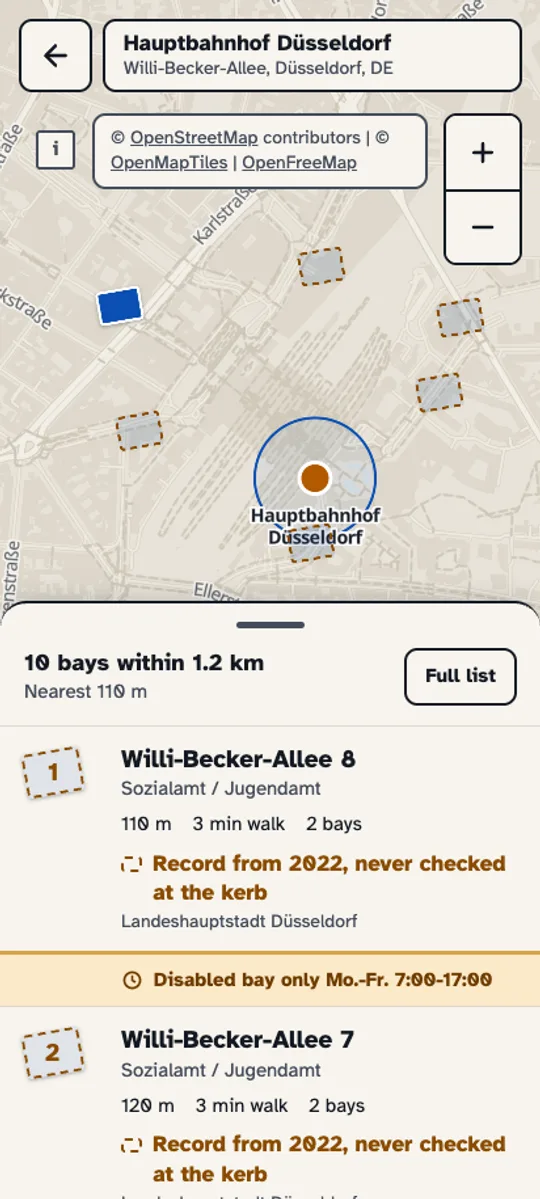
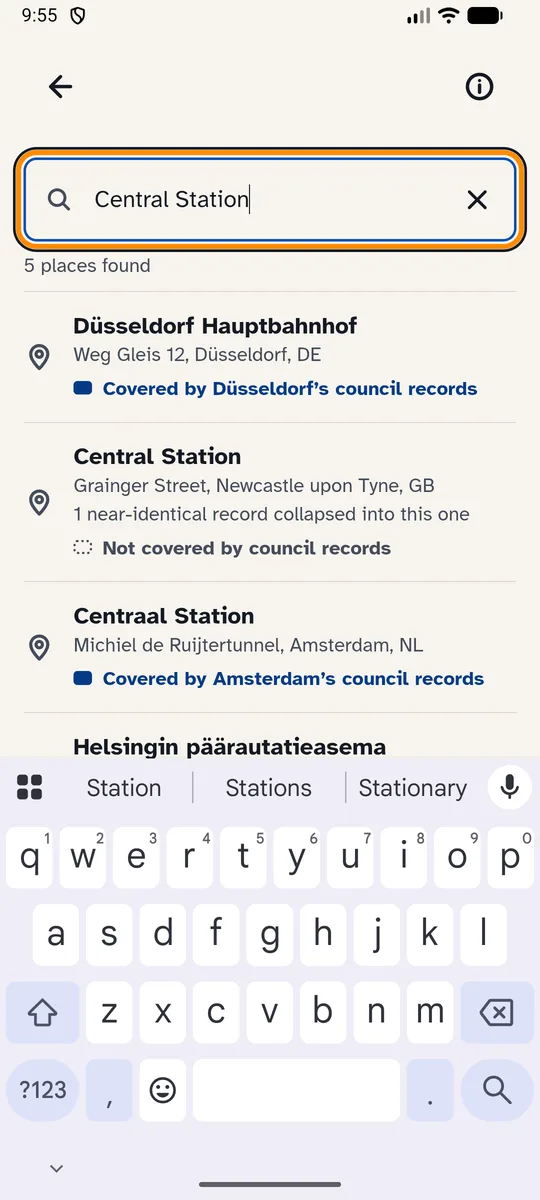
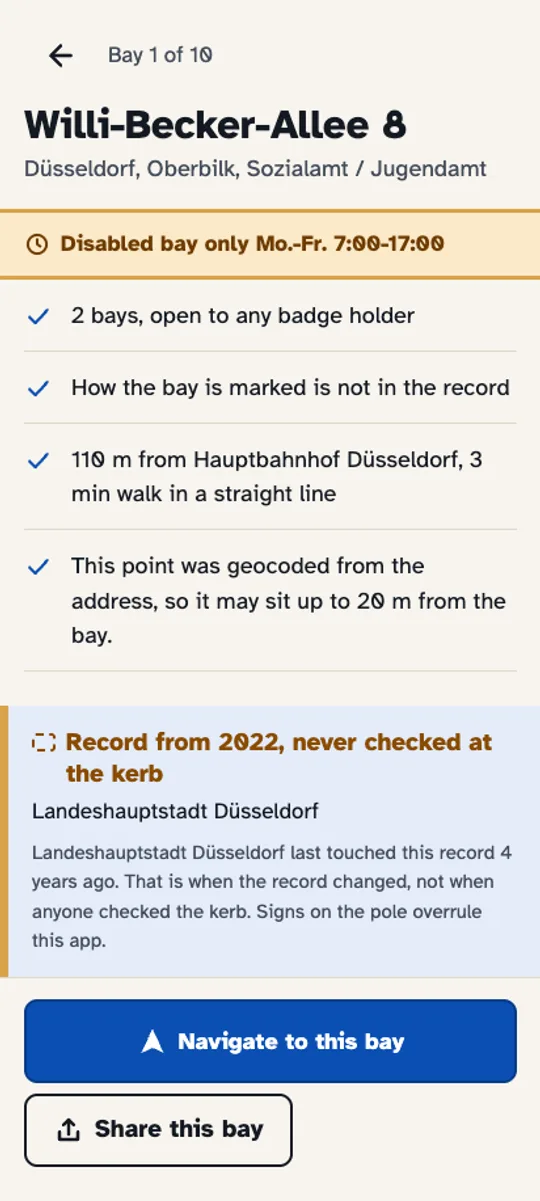
An app for drivers with a disabled parking permit: search where you are going and see the nearest disabled parking spaces, how old each record is, and whether other drivers have checked it, then hand the parking space to your maps app. Built on evenings and weekends because the data existed but nobody had made it usable.
The itch
Disabled parking spaces are published by councils as open data, each city in its own format, licence and level of care, and outside those cities only volunteers on OpenStreetMap have mapped them. Drivers who depend on a parking space often circle a block several times or give up. The information problem is small; the daily impact on the people affected is not.
The approach
Trust the official record first and say how old it is. A pipeline pulls council records city by city, repairs and de-duplicates them, and keeps each city's licence and credit with its data; OpenStreetMap parking spaces fill the gaps, marked as such and never mixed in. Drivers can say a parking space is still there or gone, or add a missing one, without an account. The app is a Capacitor and React shell around a MapLibre map with downloadable city map packs, so it works in a car park with no signal, and it is designed for its audience: large legible type, every state in words as well as colour, and usable at 200% text.
Where it stands
Council records for 72 cities in 14 countries, nine of them bundled in the app, with OpenStreetMap parking spaces everywhere else. Now preparing the App Store and Google Play release.
Type where you are going. Places near you come first.The nearest parking spaces to your destination, on the map and in a list.How old each record is, and whether other drivers have checked it.
Along the way
Licence dossier and per-city attribution register
Data pipeline from council open data and OpenStreetMap
Side project / Unreal Engine 4 / Nintendo Switch / Steam
Muscle Magic
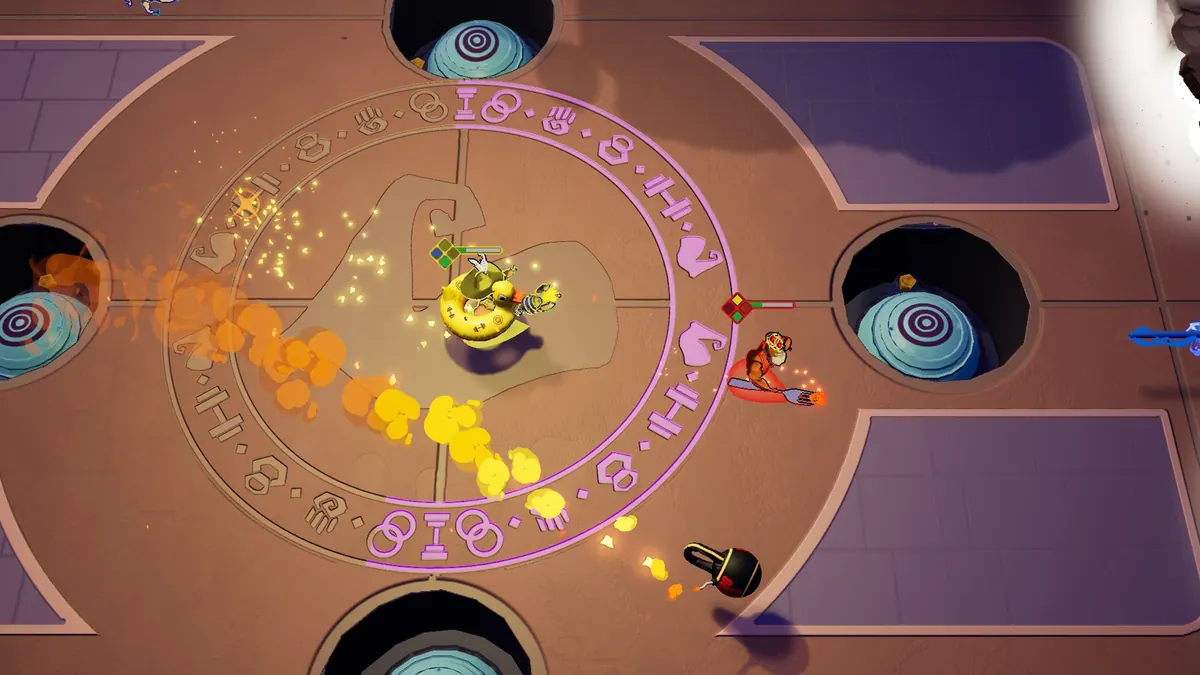
A couch party game for up to four players: muscular wizards on one screen, spells that push and pull, and the last one standing wins. Built in Unreal Engine 4 by a team of 20, for Nintendo Switch and Steam.
A four-player match. Every wizard has four spells of their own.Image: Steam store page
The approach
I was part of the design team and did the audio design.
Where it stands
Released on Steam in April 2019 by Disco Dog, the team behind it, and published by Breda University of Applied Sciences. The game was also built for Nintendo Switch.
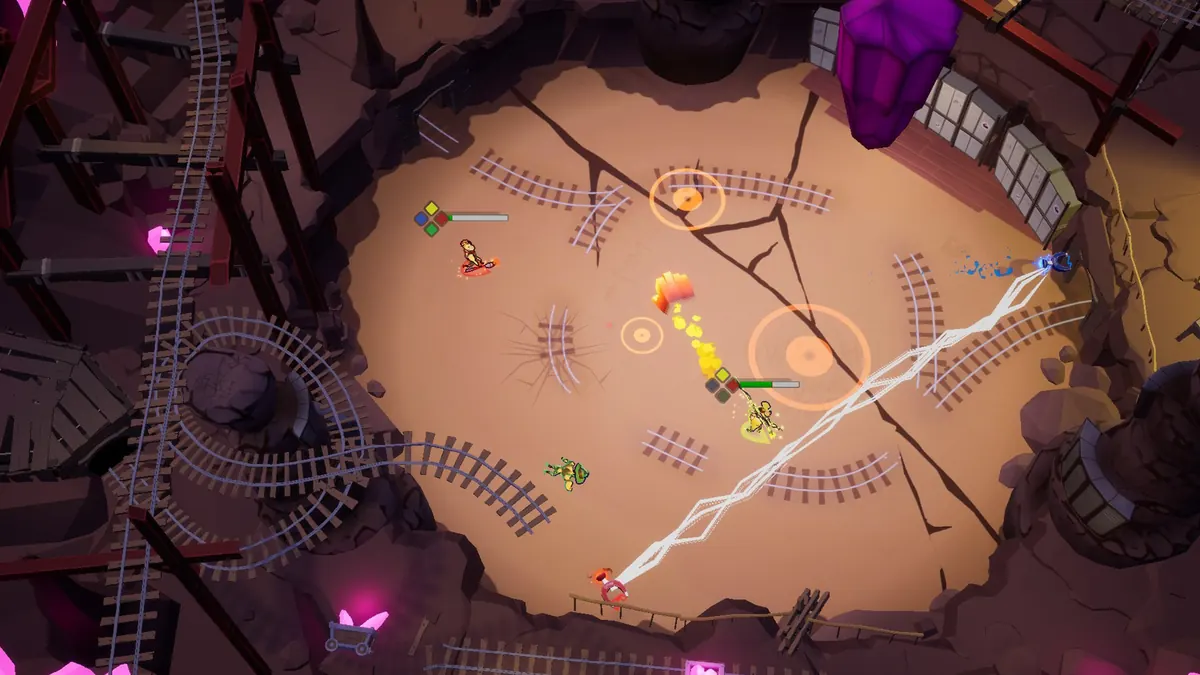
A level with minecart tracks running through it.Image: Steam store page
Side project / Lux Engine (custom) / Unity / Houdini / Windows, built for PlayStation 4
Drivinity
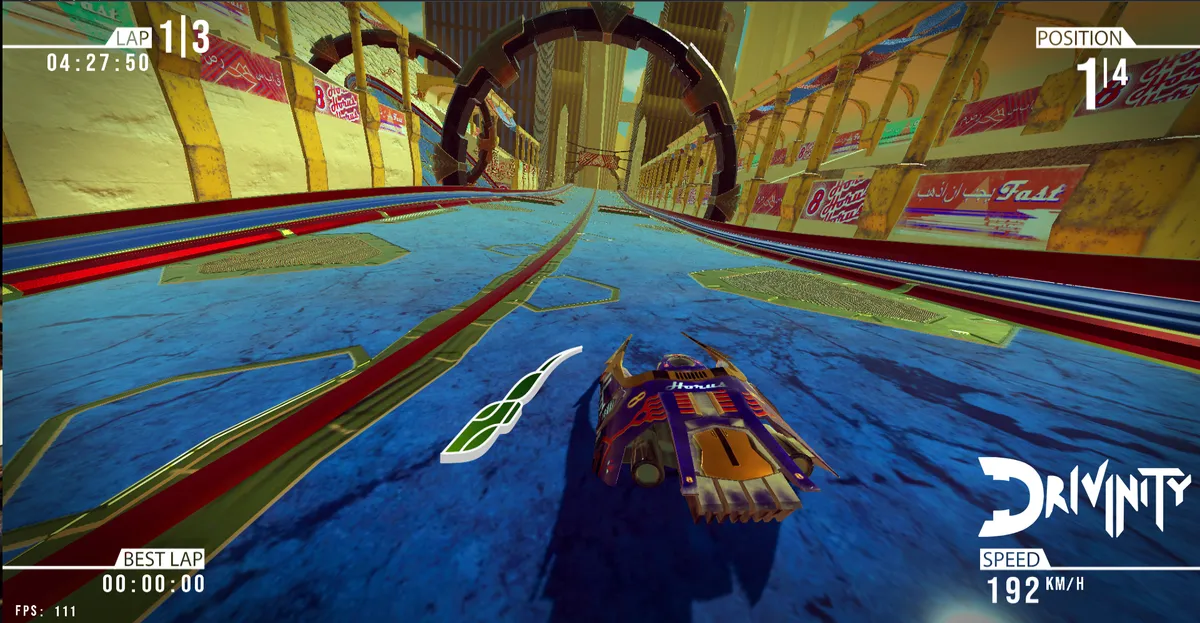
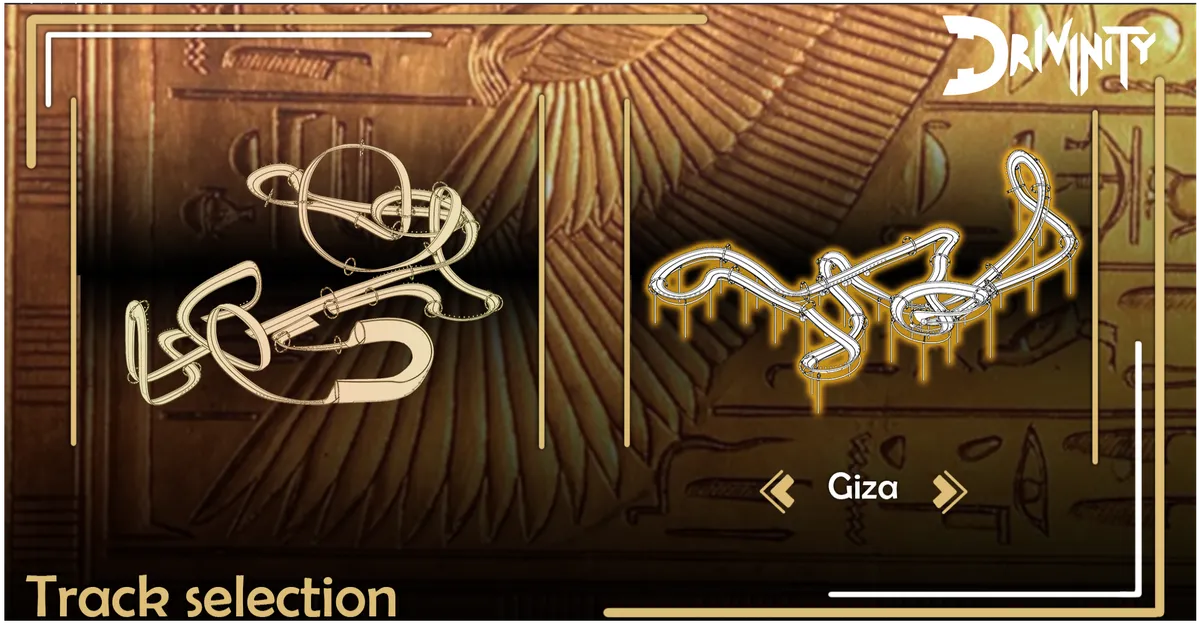
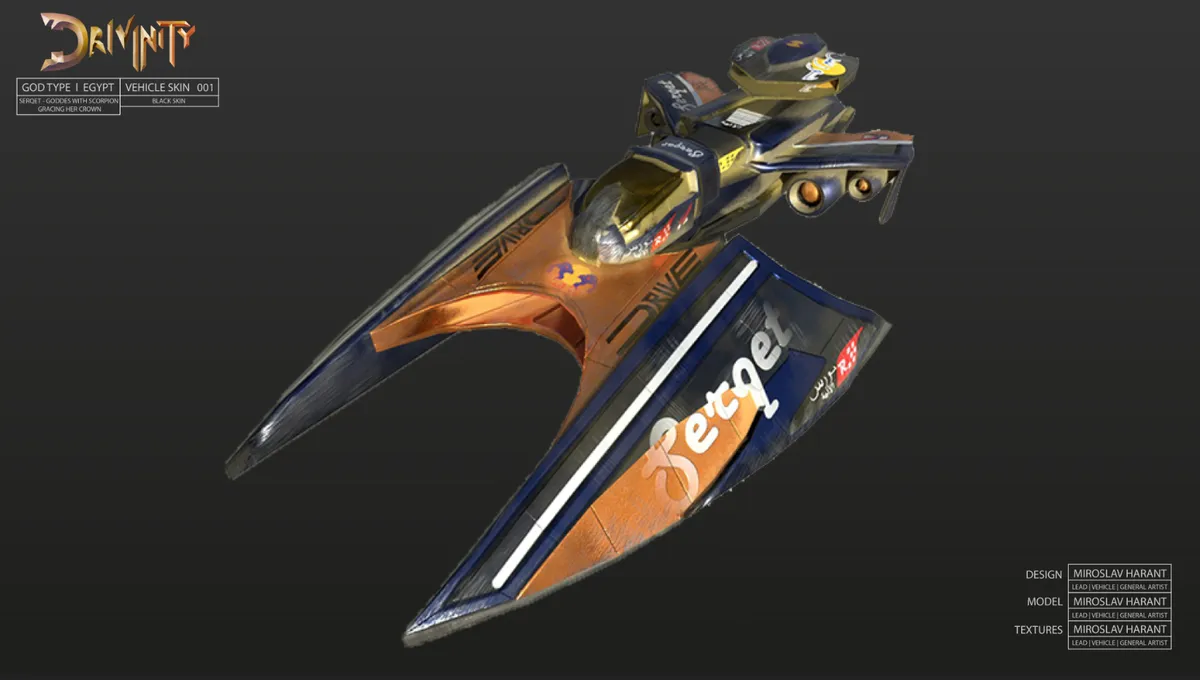
An anti-gravity racing game in which Egyptian gods race to decide who is superior, in a futuristic city where technology has mixed with ancient Egypt. You pick one of two gods, race on two tracks, Giza and Abydos, and use boost pads and tricks to keep your boost bar full.
Racing through the Giza track at 192 km/h.Image: itch.io page, Breda University of Applied Sciences
The approach
A student team of designers, artists and programmers, 21 people in all, made it at Breda University of Applied Sciences. I was Lead Design and General Design. The programmers first built Lux Engine, a custom engine for anti-gravity racing that runs on PlayStation 4 and Windows, in the third block of 2018. The game came in the last eight-week block of the second year, with Unity as the scene editor and a Houdini tool from the technical artist that generates the tracks procedurally.
Where it stands
Built for PlayStation 4 and released on Windows on itch.io, published by Breda University of Applied Sciences. It never came out on PlayStation 4. The last update was version 1.0.4 in July 2018. It won the 2018 IGAD Award for best programming in year 2 and was runner-up for the IGAD Audience Award for year 2.
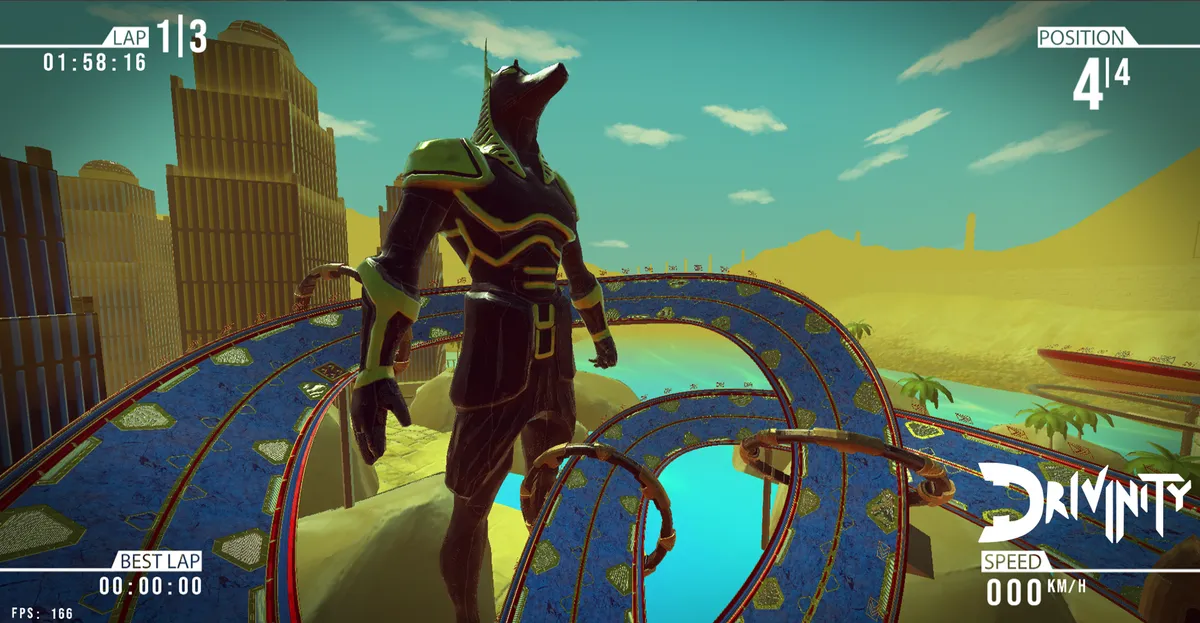
Anubis, one of the two gods, overlooking a track before the start.Image: itch.io page, Breda University of Applied SciencesTrack selection. The game has two tracks, Giza and Abydos.Image: itch.io page, Breda University of Applied SciencesThe Serqet vehicle, black skin.Image: itch.io page, Breda University of Applied Sciences
Side project / Astro SSR · Vercel Blob · PhotoSwipe · a camera
Through the lens
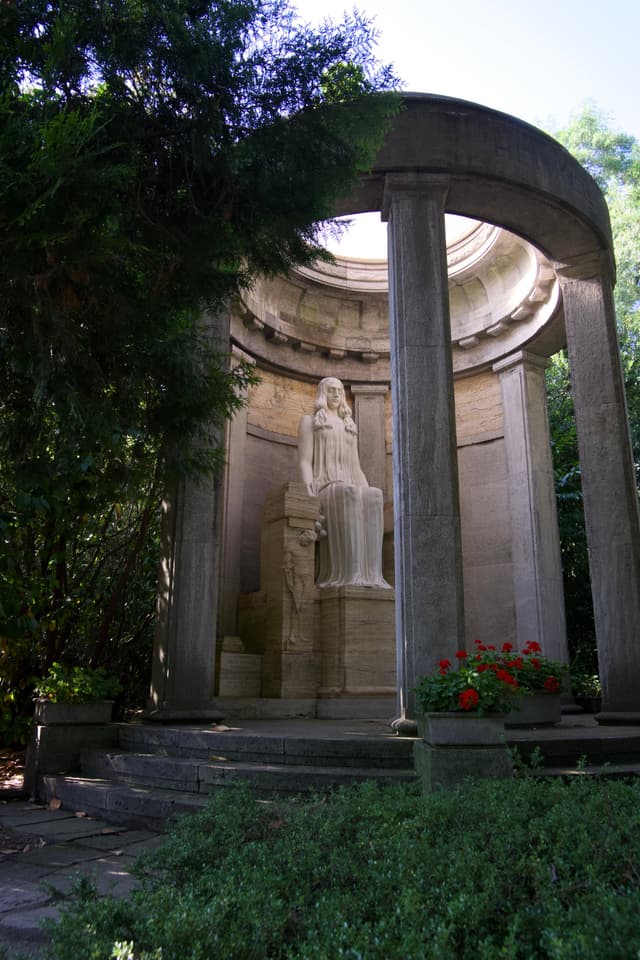
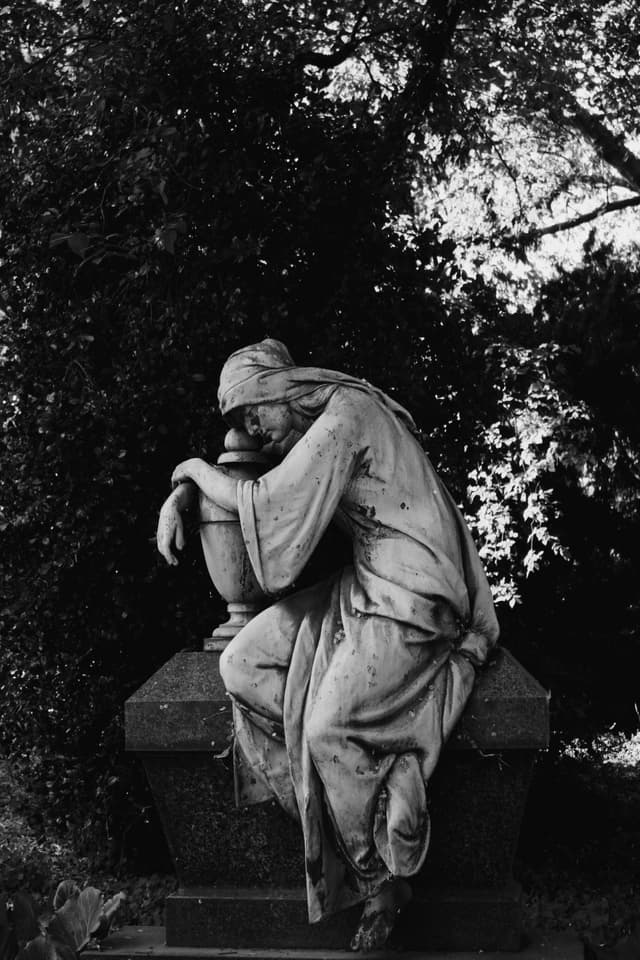
Photographs from trips and quiet weekends, published on a small self-built site. Uploads resize in the browser and land straight in blob storage, so a new album goes live without a deploy.